


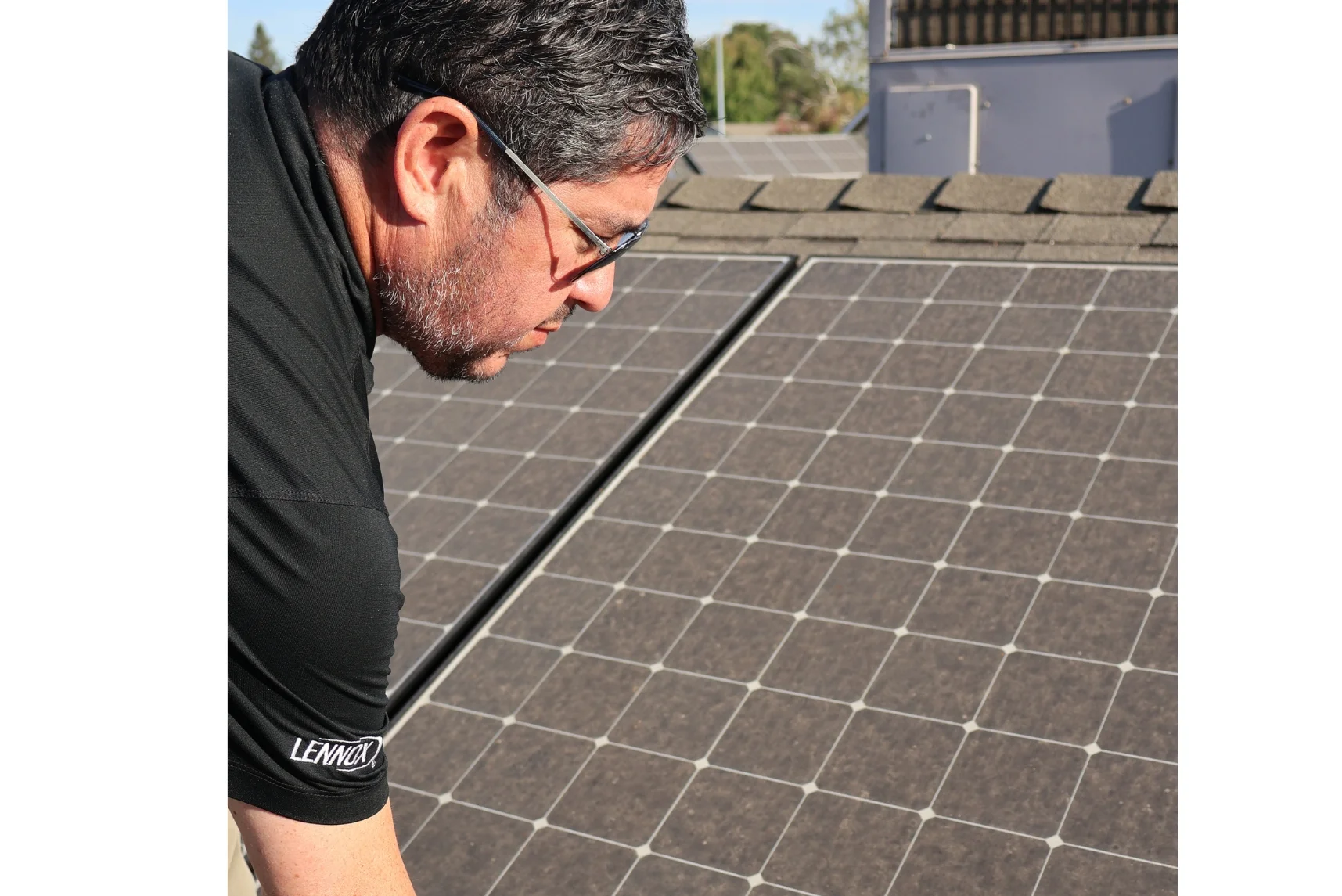
As energy costs continue to rise, more Northern California homeowners are exploring solar power as a way to lower utility bills and gain greater control over their energy usage. But how do you know if your home is actually a good candidate for solar?
The good news is that many homes can benefit from solar energy. However, factors such as your roof condition, sun exposure, energy usage, and available incentives all play a role in determining how much value a solar system can provide.
If you’re wondering whether now is the right time to make the switch, this checklist can help you evaluate your home’s solar potential.
1. Is Your Roof in Good Condition?
Your roof is the foundation for most residential solar installations. Since solar panels typically last 25 years or more, you’ll want a roof that can support them for many years to come.
Ask yourself:
- Is your roof less than 10-15 years old?
- Are there any missing shingles, leaks, or damaged areas?
- Has your roof been professionally inspected recently?
If your roof is nearing the end of its lifespan, it may make sense to address roofing concerns before installing solar panels. During a professional solar evaluation, technicians can assess whether your roof is ready now or if repairs should be considered first.
2. Does Your Roof Receive Plenty of Sunlight?
Solar panels generate the most electricity when they receive direct sunlight throughout the day.
While some shade is normal, excessive shading from trees, neighboring buildings, or other structures can reduce solar production.
Your home may be a strong solar candidate if:
- Your roof receives several hours of direct sunlight daily.
- Large trees are not blocking significant portions of the roof.
- Nearby structures do not create extensive shade throughout the day.
Many homeowners are surprised to learn that even partially shaded roofs may still be suitable for solar. Advanced technology and system design can often help maximize production in less-than-perfect conditions.
3. What Direction Does Your Roof Face?
Roof orientation can influence how much energy your solar system produces.
In California, solar panels often perform best on roofs facing:
- South
- Southwest
- West
However, east-facing roofs can also provide excellent results depending on your home’s energy usage patterns.
The reality is that orientation is only one factor. Roof angle, available space, shading, and energy consumption all work together to determine overall performance.
4. How Much Electricity Do You Use?
One of the most important factors in determining solar savings is your current energy usage.
Take a look at your utility bills and consider:
- Have your electric bills increased recently?
- Do you run air conditioning frequently during the summer?
- Do you own an electric vehicle?
- Are more family members spending time at home?
- Are you planning future upgrades that will increase electrical demand?
Homes with higher electricity usage often see some of the greatest financial benefits from solar because they have more utility costs to offset.
A professional solar consultation can analyze your historical usage and estimate how much of your energy consumption solar could cover.
5. Do You Qualify for Solar Incentives and Rebates?
Available solar incentives can significantly improve the return on your investment.
Depending on your situation, you may qualify for programs that help reduce the overall cost of going solar.
Potential benefits may include:
- Federal solar tax incentives
- Utility-related programs
- Energy storage incentives
- Financing options with little or no upfront investment
Because incentive programs can change over time, it’s important to receive current information from a qualified solar professional.
6. Do You Have Enough Roof Space?
The amount of available roof space helps determine the size of the solar system that can be installed. ‘
Factors include:
- Roof layout
- Number of vents and obstructions
- Skylights
- Chimneys
- Available square footage
Even homes with complex roof designs may have sufficient space for an effective solar system. A site evaluation can identify the best locations for panel placement and maximize energy production.
7. Are You Planning to Stay in Your Home?
Solar is often a long-term investment that can provide savings year after year.
If you plan to remain in your home for several years, solar may offer significant financial benefits while increasing energy independence.
Additionally, solar-equipped homes are often attractive to buyers who appreciate lower utility costs and renewable energy features.
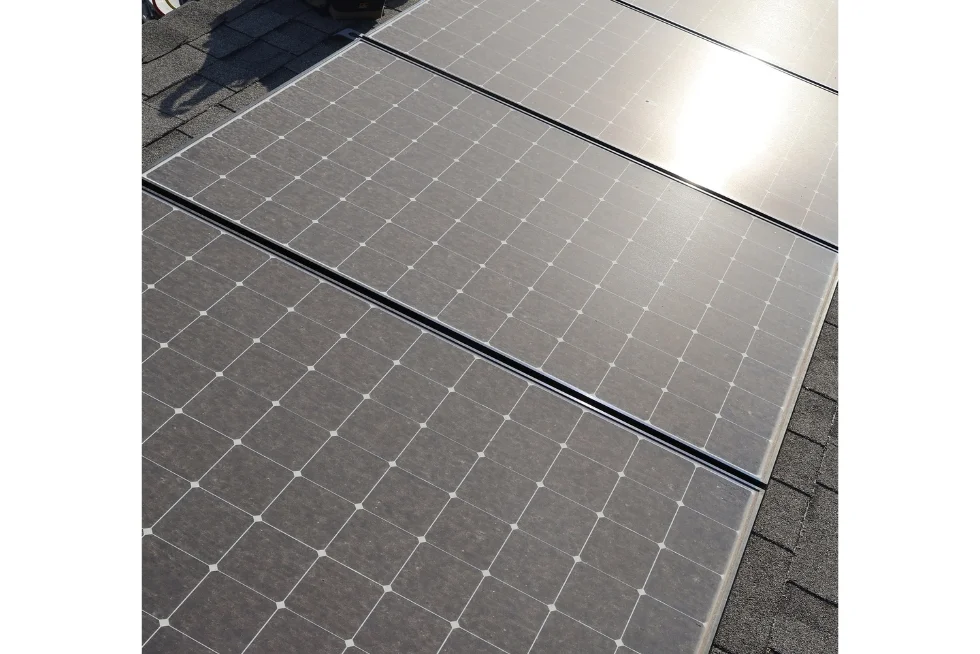
Why a Professional Solar Evaluation Matters
While online calculators and checklists can provide a general idea of your home’s solar potential, they can’t account for all the factors that affect system performance and savings.
A professional solar evaluation can answer important questions such as:
- How many panels your home may need
- Estimated energy production
- Potential utility bill savings
- Available incentives and financing options
- Whether battery storage makes sense for your home
- How your roof and electrical system impact installation
Most importantly, a solar evaluation provides personalized answers based on your specific property—not generic estimates.
Schedule Your Complimentary Solar Evaluation
If you’ve been wondering whether your home is ready for solar, the best way to find out is with a professional assessment.
At Royal Aire Solar, Heating, Air & Water, our team can evaluate your roof, energy usage, sun exposure, and available incentives to help you determine whether solar is the right fit for your home.
We proudly serve homeowners throughout Chico, Paradise, Oroville, Durham, Corning, and surrounding Northern California communities.
Contact Royal Aire today to schedule your complimentary solar evaluation and get clear answers about your home’s solar potential.