


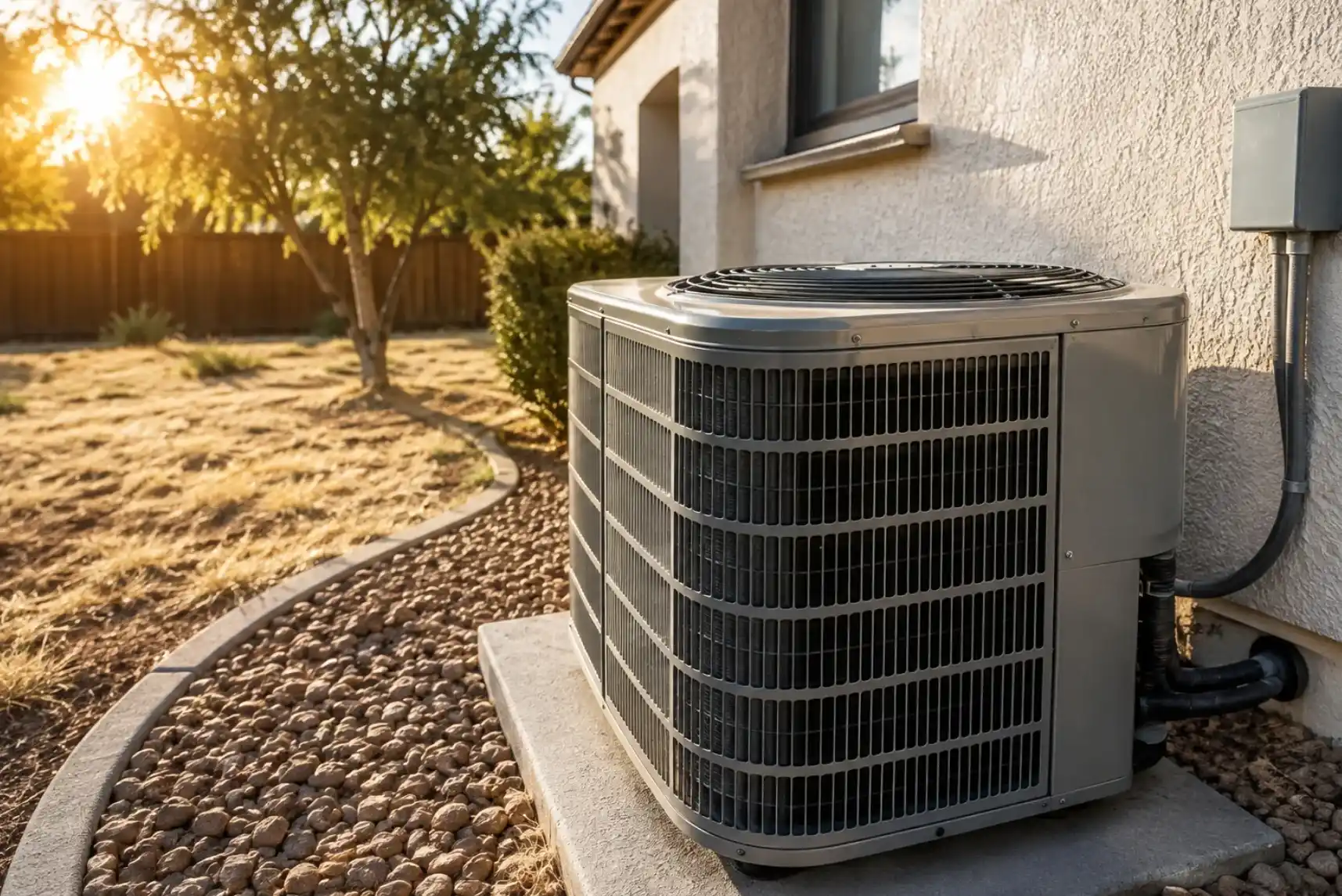
By late summer, your air conditioner has already put in months of hard work. And in Chico, California, hot weather can stick around well into the season, keeping cooling systems working overtime.
That combination of high temperatures and months of continuous use can put extra strain on your AC system, which is one reason homeowners may start noticing cooling problems later in the summer.
An air conditioner that worked perfectly at the beginning of the season can suddenly begin running longer, cooling less effectively, making unusual noises or even stop working altogether.
So, why do AC problems often show up late in the summer? Here are some of the most common reasons and the warning signs Chico homeowners should watch for.
1. Your AC Has Been Working Hard for Months
Think about how much your air conditioner has already run by late summer. During long stretches of hot weather, your cooling system may cycle frequently throughout the day just to keep your home comfortable.
That extended workload can put additional wear on components such as motors, fans, electrical connections and the compressor.
Small issues that weren’t noticeable at the beginning of summer may become more apparent after weeks of heavy use. Following a few simple AC maintenance tips throughout cooling season can also help keep your system running efficiently.
Signs your AC may be under strain include:
- Longer cooling cycles
- Difficulty reaching the thermostat setting
- Unusual sounds when the system starts or stops
- Weak airflow from vents
- Frequent cycling on and off
- Higher-than-normal energy bills
If your AC suddenly seems to be working harder to provide the same level of comfort, it’s worth having it checked.
2. A Dirty Air Filter Can Restrict Airflow
One of the simplest AC problems is also one of the easiest to overlook: a dirty air filter.
During a busy cooling season, your filter captures dust, pet hair and other airborne particles. As that buildup increases, airflow through the HVAC system can become restricted.
Reduced airflow can make it harder for your air conditioner to cool your home efficiently and may cause the system to run longer than necessary.
Check your filter regularly and replace or clean it according to the manufacturer’s recommendations. Homes with pets, higher dust levels or frequent AC use may need more frequent filter changes.
3. Dirty AC Coils Can Reduce Cooling Performance
Your air conditioner relies on evaporator and condenser coils to transfer heat. When those coils become dirty, the system may have a harder time removing heat from your home.
The outdoor condenser unit is especially exposed to dirt, leaves, grass clippings and other debris throughout the summer.
Dirty coils can cause your air conditioner to run longer, use more energy and place additional stress on the equipment.
Keep the area around your outdoor AC unit clear and avoid allowing plants, weeds or debris to block airflow. Coil cleaning itself is generally best included as part of a professional AC tune-up.
4. Electrical Components Can Wear Down
Your AC system depends on several electrical components every time it starts and runs. After months of frequent cycling, components and connections can begin showing signs of wear.
Electrical problems can cause symptoms such as:
- AC that won’t turn on
- A system that starts and stops unexpectedly
- Clicking or humming sounds
- An outdoor unit that isn’t running
- Intermittent cooling
Because diagnosing and repairing HVAC electrical components can involve high voltage, these problems should be handled by a qualified HVAC professional.
5. Refrigerant Problems May Become More Noticeable
Refrigerant plays an essential role in the cooling process. Your air conditioner doesn’t normally “use up” refrigerant, so a system that is low may have a leak or another issue that needs professional diagnosis.
Possible signs of a refrigerant-related problem include reduced cooling, longer run times, higher energy use or ice forming on parts of the system.
Simply adding refrigerant without determining why the level is low may not solve the underlying problem. A trained HVAC technician can inspect the system and determine the appropriate repair.
6. Your Condensate Drain Can Become Clogged
As your air conditioner cools your home, it also removes moisture from indoor air. That moisture typically drains away through the system’s condensate line.
Over time, buildup inside the drain can restrict or block the flow of water.
Depending on the HVAC system, a clogged condensate drain may cause water around the indoor unit, excess moisture or even trigger a safety switch that shuts the AC down to help prevent water damage.
If you notice unexplained moisture around your HVAC equipment, don’t ignore it.
7. Extreme Heat Can Expose Existing AC Problems
An air conditioner may appear to operate normally during milder weather but struggle once temperatures climb.
Hot Chico afternoons require your cooling system to remove a significant amount of heat from your home. If the AC already has restricted airflow, dirty coils, worn components or another developing issue, heavy demand can make the problem much more noticeable.
That’s why an AC that seems “fine most of the time” may suddenly struggle during the hottest part of the day.
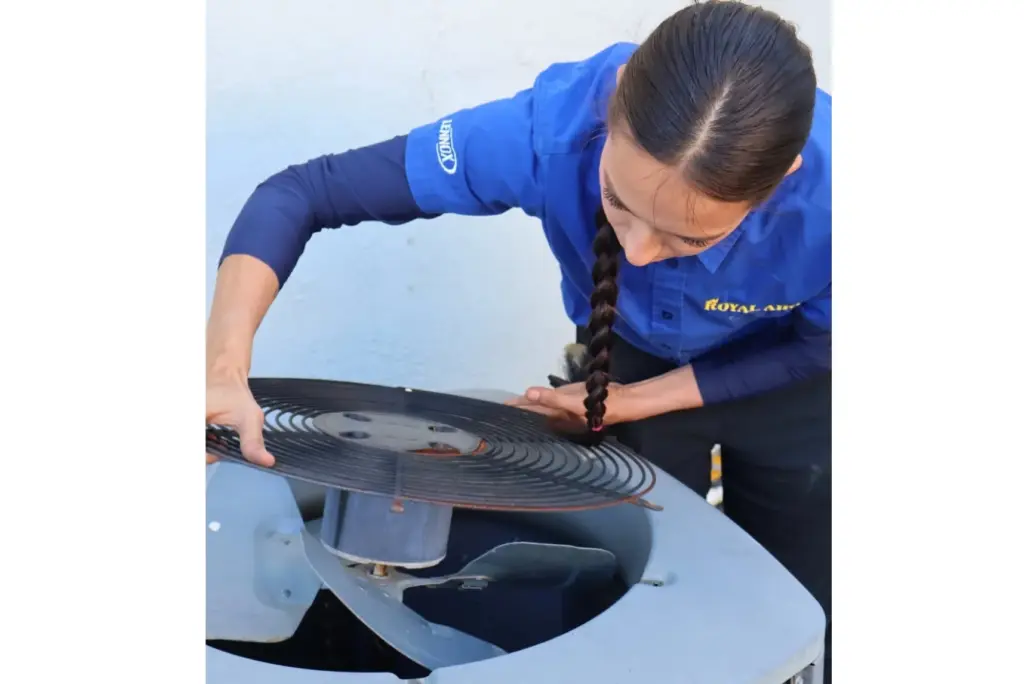
Why Is My AC Running but Not Cooling My Chico Home?
If your AC is running but not cooling, start with a few simple checks:
- Make sure your thermostat is set to COOL and the temperature is set below the current indoor temperature.
- Check the air filter and replace it if it’s dirty.
- Make sure supply and return vents aren’t blocked by furniture, rugs or other items.
- Look at the outdoor unit and make sure it isn’t surrounded by leaves, weeds or debris.
- Check whether the problem affects the entire house or only certain rooms.
If everything looks normal but your home still isn’t cooling properly, it’s time to have the system professionally inspected.
Should You Wait Until Your AC Stops Working to Call for Service?
Usually, no.
Changes in your air conditioner’s performance can provide an early warning that something isn’t working as it should. Addressing a problem while the AC is still operating may help prevent a more inconvenient breakdown during a hot afternoon.
Call for professional AC service if you notice persistent warm air, weak airflow, unusual noises or odors, leaking water, frequent cycling or a sudden change in cooling performance.
If repairs are becoming more frequent or your system is getting older, you may also be wondering whether it’s better to repair or replace your AC. Factors such as the age of the equipment, repair history, efficiency and overall performance can all play a role in that decision.
Help Your AC Finish the Chico Summer Strong
Late summer doesn’t mean cooling season is over in Northern California. Chico and the surrounding communities can continue to experience hot weather well into the season.
If your air conditioner has been working hard all summer, pay attention to changes in how it sounds, runs and cools your home.
A little attention now can help identify developing problems before you’re left without cooling when you need it most.
Royal Aire Heating & Air Conditioning is here to help keep Chico-area homes cool and comfortable. If your AC isn’t keeping up, is making unusual noises or simply doesn’t seem to be running like it used to, our experienced team can inspect your system and help determine what’s going on.
Contact Royal Aire today to schedule AC repair in Chico and the surrounding communities.